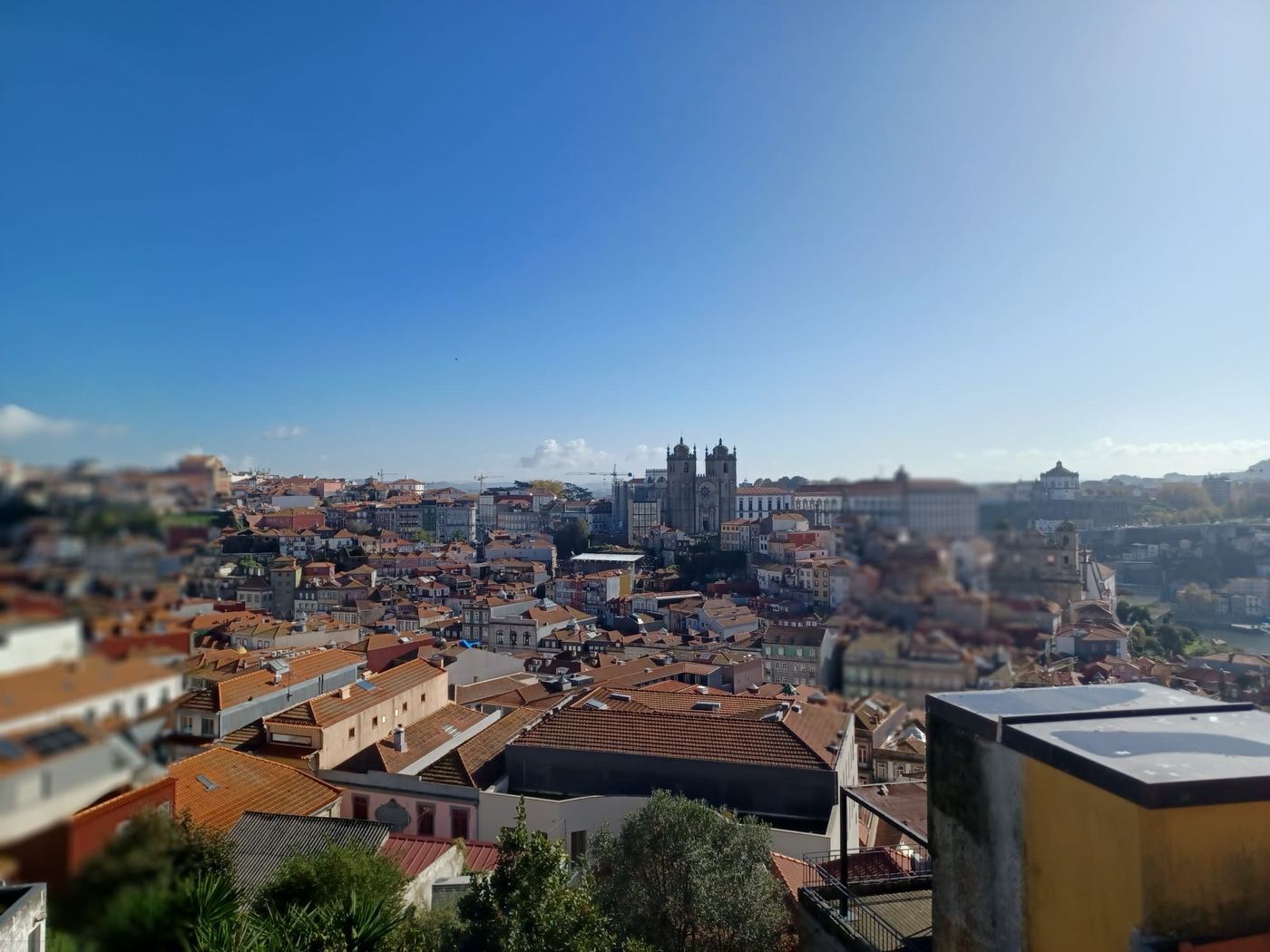
If you're deciding whether to come work remotely from Porto for a few months — a project, a temporary assignment, or just to try living here — there's a sequence to sort out: NIF, possibly a visa, finding somewhere to stay, and working out day-to-day costs. This guide sums up what you need to know, with sources, no fluff.
1. The NIF (tax identification number)
The NIF is the number you'll need for almost everything in Portugal — from signing a lease to opening a bank account. Non-residents can request it through an authorised representative (a lawyer, an accountant, or a specialised service like e-residence.com) who submits the request to the Tax Authority.
- Usually required documents: a passport or valid ID, proof of address abroad, and a power of attorney authorising the representative.
- Fiscal representative: not always mandatory just to get the NIF, but it becomes required if you start VAT-liable self-employed activity in Portugal, or have ongoing tax ties.
- Cost: the request itself with the Tax Authority is free; private services that handle everything remotely typically charge from ~€79.
- Timeline: there's no single official deadline — private services indicate verification in around 24 business hours and the certificate issued within 3 to 5 business days, depending on the plan.
2. Do you need a visa?
It depends on your nationality and how long you're staying. EU/EEA citizens don't need a visa. For third-country nationals, a mid-term stay (1 to 11 months) overlaps with Portugal's digital nomad visa, the D8, created specifically for remote professionals.
The main points of the D8, confirmed by research as of September 2026:
- Minimum income: four times the Portuguese minimum wage (€920), i.e. around €3,680/month in verified remote income. Spouses require +50% and each dependent +30%.
- Usual documents: a valid passport (6+ months), proof of remote income (employment contract, payslips, client contracts), health insurance with a minimum €30,000 coverage, an apostilled criminal record, a Portuguese NIF and bank account, and proof of accommodation for 12 months.
- Two routes: a temporary-stay visa (shorter, renewable), or the residency route (an initial 4-month entry, followed by a renewable 2-year residence permit, with a possible path to permanent residency).
- Where to apply: at the Portuguese consulate in your country of residence, before entering Portugal — the whole process typically takes 2 to 4 months.
3. Where to stay: the historic centre vs. the alternatives
For a 1 to 11 month stay, the most important factor is usually being able to walk everywhere — losing time commuting every day is what wears down a mid-length stay the most. Porto's historic centre (the Sé, Clérigos, Cordoaria area) has the advantage of putting everything within 10-15 minutes on foot: grocery shops, cafés with a good connection to work from, and the airport reachable by metro or direct bus, without needing a car.
It's also an area with clear rules on short-term rentals — the Vitória parish is in an Alojamento Local containment zone, which in practice means the supply of traditional "residential lease" units of 1 to 11 months (like this apartment) tends to be more stable and less subject to short-term tourism turnover than more central-tourist areas like Baixa or Ribeira.
A T1+1 Premium with a Cathedral view, right in this area
Rua de São Bento da Vitória, 52 — 3rd floor, view over the Cathedral and the Douro River, stays of 1 to 11 months, a written contract from day one.
See availability →4. Cost of living — what to expect
Beyond rent, the most common monthly costs for someone living alone or as a couple in Porto's centre tend to include food, local transport and leisure. We won't publish a table of fixed figures here — the cost of living changes with exchange rates and inflation, and any number not verified in the moment risks going stale quickly. We recommend checking up-to-date sources (Numbeo, Expatistan) closer to your arrival date for a realistic estimate.
What is confirmed and doesn't change: water, electricity and internet are included in the rent for this apartment up to a reference amount of €100/month, for normal use — which removes one of the biggest budgeting uncertainties for anyone arriving from abroad.
5. Checklist before you book
- Confirm whether you need a visa (depends on your nationality) and start the process early — the D8 can take 2-4 months.
- Request the NIF, directly or via a representative, before signing any contract.
- Confirm with the landlord, in writing, what's included in the rent (expenses, cleaning, parking) — never assume.
- Always ask for a written lease agreement and verifiable ID from the owner before any payment.
- If you can, do a video call to see the space live before deciding — it avoids surprises on arrival.
Sources consulted (September 2026):